

Communications & Data Infrastructure
Distributed Antenna Systems
In-building wireless systems designed to enhance cellular and public safety radio coverage, supporting stronger communication reliability across commercial and industrial facilities.
Overview
Reliable in-building coverage for critical communication
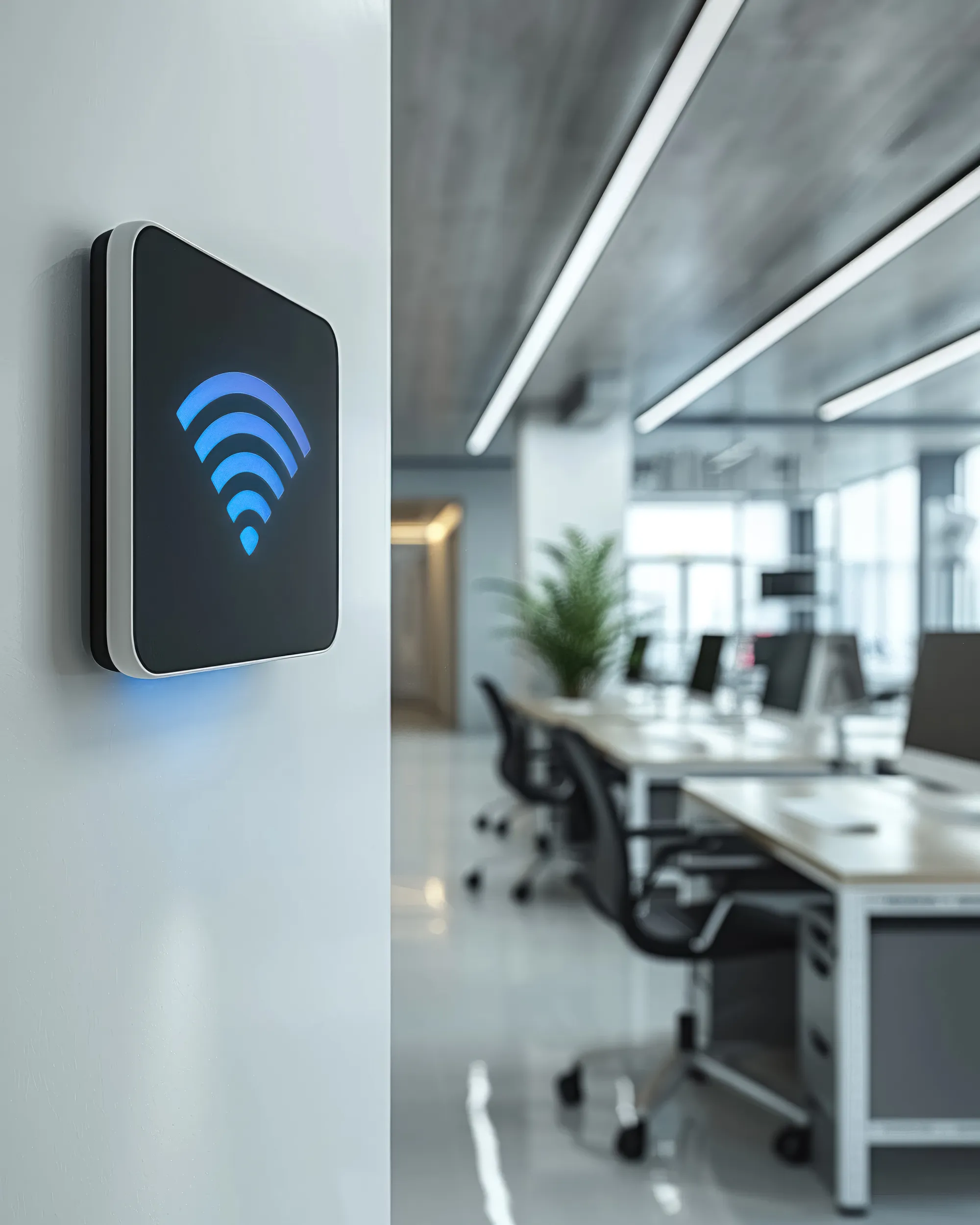
Distributed Antenna Systems and Bi-Directional Amplifier systems help improve wireless signal coverage inside facilities where building materials, distance, layout, or structural conditions can limit communication performance. These systems support stronger connectivity for cellular communication, emergency radio coverage, and public safety communication needs.
LVS Technology provides DAS-BDA solutions for commercial and industrial environments that require reliable in-building coverage, organized low voltage infrastructure, and careful system planning.
Each system is developed around the facility layout, signal requirements, coverage objectives, equipment locations, and long-term communication needs.
What’s Included
In-building wireless infrastructure designed for reliable coverage
Each DAS-BDA project is planned according to facility size, construction conditions, coverage needs, communication requirements, and equipment locations. Additional factors such as building materials, occupancy levels, and future expansion requirements are also considered during the design process. The goal is to support stronger and more consistent signal performance in areas where reliable communication is essential, helping ensure dependable connectivity for both daily operations and critical situations.
Testing & Support
Signal testing, inspection support, approval support, documentation, and maintenance to help verify reliable coverage and long-term system performance.
Professional Installation
Installation of antennas, cabling, amplifiers, head-end equipment, power components, and related low voltage infrastructure with technical precision.
System Design
DAS-BDA layouts planned with attention to antennas, cabling, amplifiers, coverage zones, equipment rooms, and facility-specific requirements.
System Planning
Evaluation of facility layout, coverage objectives, signal challenges, communication requirements, and equipment locations to define an effective wireless coverage strategy.
Key Benefits
Designed to strengthen wireless and emergency communication
A well-designed DAS-BDA system helps facilities improve in-building signal coverage, support communication reliability, and reduce dead zones. These systems are especially important in environments where emergency response, facility coordination, and daily communication depend on reliable wireless performance.

01Improved Signal Coverage
Helps reduce weak signal areas and improve communication coverage across critical indoor spaces.
02Public Safety Communication Support
Supports stronger emergency radio coverage for first responders and public safety communication needs.
03Reliable Facility Communication
Helps improve communication performance for occupants, staff, operations teams, and emergency personnel.
04Scalable Coverage Infrastructure
Can be planned to support current coverage needs while allowing future expansion, upgrades, and additional coverage zones.
Ideal Applications
Wireless coverage for large, complex, and critical facilities
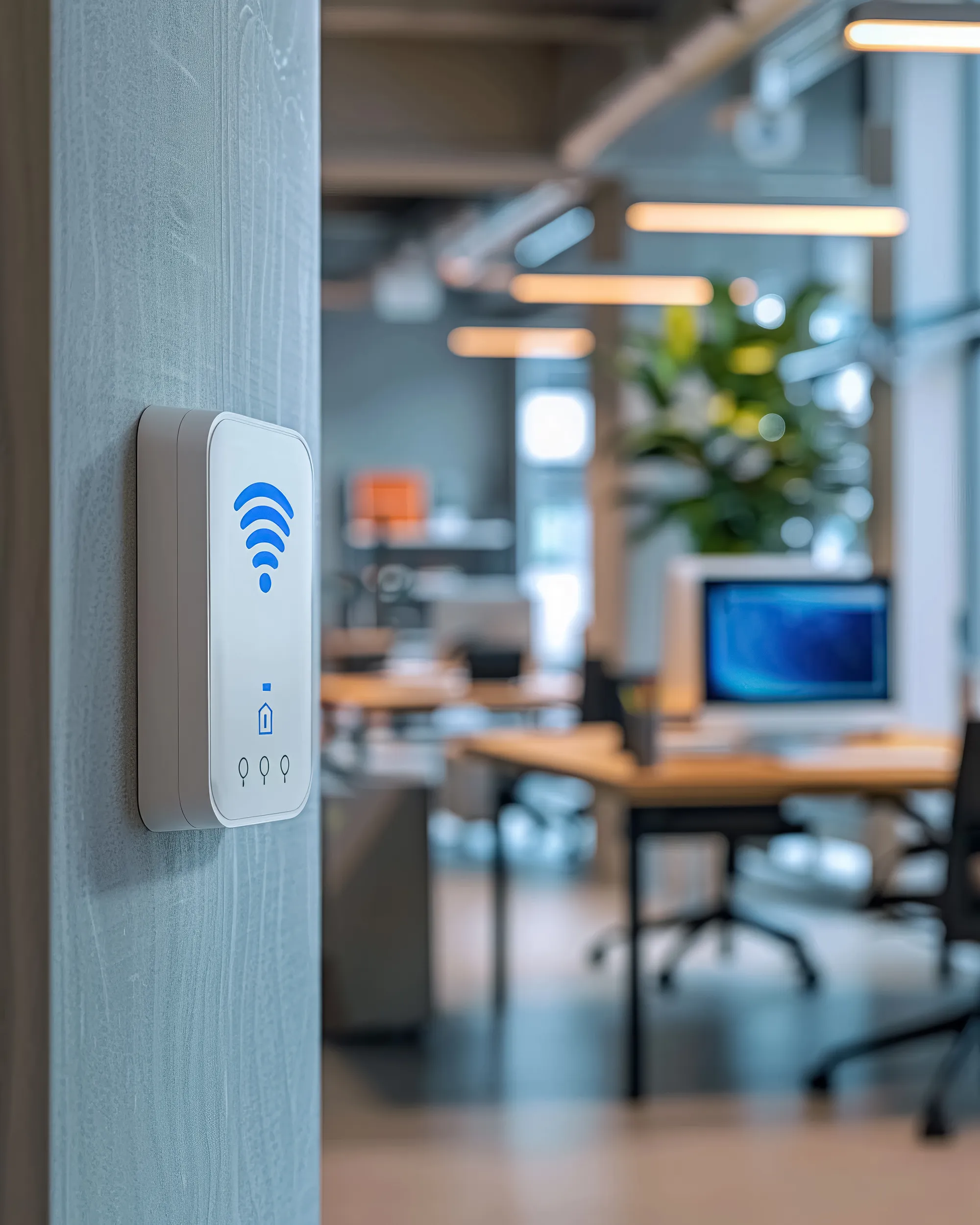
DAS-BDA systems are essential in facilities where reliable cellular or public safety radio coverage is limited by building size, construction materials, underground areas, or operational complexity. These systems help ensure consistent signal distribution throughout the property, improving communication reliability for occupants, visitors, emergency responders, and operational staff while supporting both everyday connectivity and critical life-safety requirements.



Safety and Code Compliance
Planned with communication and public safety requirements in mind
DAS-BDA systems must be planned and installed with attention to coverage requirements, project specifications, testing needs, inspection processes, documentation, and long-term communication reliability. LVS Technology supports each project with a coordinated approach focused on reliable in-building coverage and practical infrastructure implementation.
Because these systems may support public safety communication and emergency response, proper planning, installation, testing, and maintenance are essential to help ensure dependable performance when communication matters most.
Process
How We Work
Planning
We assess your project requirements and define the right system strategy.
Design
We design compliant, efficient systems tailored to your facility.
Installation
We implement systems with precision, ensuring quality and reliability.
Testing
We test all systems to ensure proper functionality and performance.
Inspection
We verify compliance with codes, standards, and project specifications.
Maintenance
We provide ongoing support to ensure long-term system performance.
Example Applications
Where DAS-BDA systems can be applied
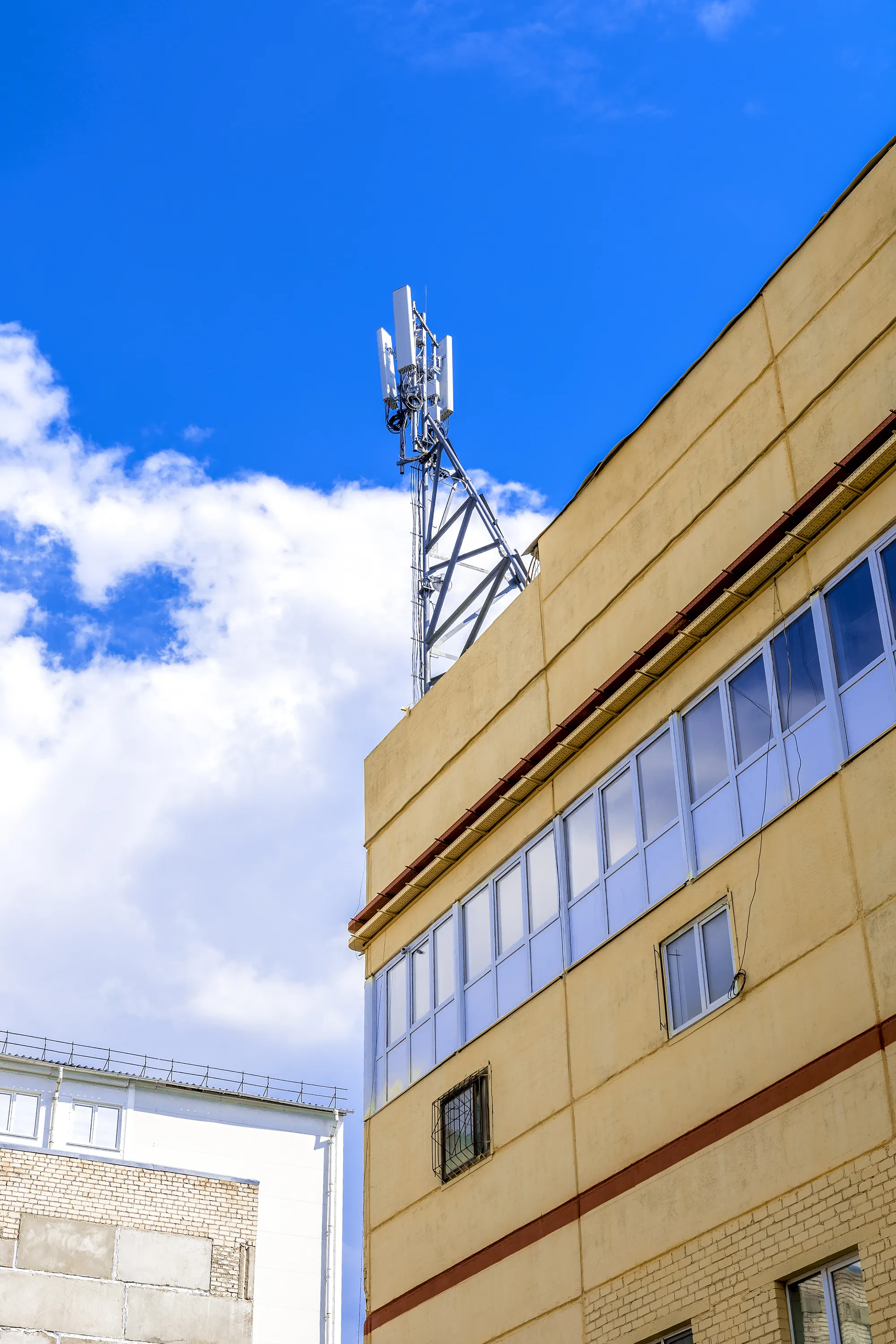
DAS y BDA mejoran la cobertura inalámbrica en interiores donde las señales celulares o de radio son débiles. Se utilizan en hospitales, aeropuertos, estadios, hoteles, oficinas, plantas industriales y edificios de seguridad pública para garantizar comunicaciones confiables, ampliando la cobertura y capacidad de voz y datos en entornos complejos.


Client Trust
Trusted by commercial and industrial clients
LVS Technology works with clients who depend on reliable low voltage, life safety, security, communications, and building integration systems. Each project is handled with a focus on technical precision, compliance, responsiveness, and long-term system performance.
Horizon Convention & Event Center
Operations Director
We needed a solution that would provide consistent cellular coverage for both our staff and visitors across a large and complex facility. LVS Technology delivered a well-executed Distributed Antenna System that exceeded our expectations in both performance and reliability. The installation process was organized, the project stayed on schedule, and the level of support we received throughout the engagement was exceptional."
Summit Regional Medical Center
Facilities Engineering Manager
Reliable in-building communication is essential in our environment, especially during emergency situations. LVS Technology designed and implemented a DAS solution that significantly improved coverage throughout our facility, including areas that previously experienced poor signal performance. Their team was highly professional, communicated effectively, and demonstrated a deep understanding of the technical and operational requirements of the project.

FAQ
Frequently Asked Questions
What types of systems does LVS Technology provide?
LVS Technology provides low-voltage, life safety, security, communications, data infrastructure, automation, and integrated building systems for commercial and industrial facilities. Our solutions include fire protection systems, intrusion detection, access control, video surveillance, structured cabling, optical fiber, DAS/BDA systems, audio/visual systems, building automation, and smart systems integration.
Does LVS Technology handle complete projects or only installations?
LVS Technology supports every phase of the project, from initial planning and system design to installation, testing, inspection, approval coordination, and ongoing maintenance. Our comprehensive approach ensures that each system is carefully planned, professionally installed, and fully aligned with the operational needs and requirements of the facility, helping to deliver reliable performance and long-term value.
Can LVS Technology integrate multiple systems into one platform?
Yes. We design integrated solutions that allow fire protection, security, communications, and automation systems to work together through centralized management platforms. These integrations enable real-time monitoring, streamlined control, and improved coordination between systems, helping enhance visibility, operational efficiency, and overall facility performance.
Do LVS Technology systems comply with applicable codes and standards?
Yes. All systems are designed, installed, tested, and maintained in accordance with applicable local, state, and national codes, as well as recognized industry standards and detailed project specifications. Our team stays up to date with regulatory requirements and best practices to ensure that every solution not only meets compliance obligations but also supports long-term safety, reliability, and performance.
How does LVS Technology ensure system reliability and long-term performance?
We focus on proper design, quality installation, comprehensive testing, and preventive maintenance to ensure dependable system performance throughout its lifecycle. Our approach emphasizes attention to detail at every stage, helping to minimize downtime, extend system longevity, and maintain consistent operational reliability over time.
Do you perform testing and inspections?
Yes. We provide comprehensive system testing, inspections, and verification services to confirm that all systems operate as intended, meet performance expectations, and fully comply with project requirements, applicable codes, and industry standards. Our process includes detailed documentation, functional testing of each component, and coordination with relevant authorities when required, ensuring that every system is properly validated before being placed into operation.
Does LVS Technology provide maintenance after installation?
Yes. We offer comprehensive maintenance and support services designed to ensure that systems continue operating safely, efficiently, and in full compliance with applicable requirements. Our services include routine inspections, preventive maintenance, system testing, troubleshooting, and timely repairs, all aimed at minimizing downtime and extending the lifespan of your systems.
Can LVS Technology upgrade or expand existing systems?
Absolutely. We can evaluate existing infrastructure in detail, including system performance, capacity, compliance status, and integration capabilities. Based on this assessment, we recommend upgrades, expansions, or integrations that enhance reliability, improve efficiency, and align with current operational needs. Our approach also considers scalability, ensuring that any improvements support future growth, evolving technologies, and long-term facility requirements.
Do you provide ongoing technical support?
Yes. Our team remains available to assist with troubleshooting, system evaluations, maintenance planning, and operational support after project completion. We work closely with clients to identify potential issues early, optimize system performance, and ensure long-term reliability. Our support services can include periodic inspections, system diagnostics, performance assessments, and recommendations for upgrades or improvements as your facility evolves.
How can I start a project with LVS Technology?
Simply contact our team to discuss your project requirements. You can reach us through our website, email, or phone to schedule an initial consultation. During this conversation, we will take the time to understand your facility, operational goals, and any specific challenges you may be facing. From there, we will evaluate your needs, provide guidance on potential solutions, and outline the next steps to move your project forward efficiently and effectively.
Can LVS Technology provide an estimate or consultation?
Yes. We can discuss your project goals in detail and provide guidance on potential solutions, system requirements, timelines, and key project considerations. Our team works closely with you to understand your operational needs, evaluate existing conditions if applicable, and recommend practical, scalable approaches that align with your objectives and budget.
What information should I have before contacting LVS Technology?
Having information about your facility, project scope, operational requirements, and any existing systems can help us better understand your needs and provide more accurate recommendations. Details such as project timelines, budget considerations, compliance requirements, and any specific challenges or goals you would like to address will also allow our team to provide more tailored guidance and efficient solutions from the start.