
Monitoring Services
Emergency Response Services
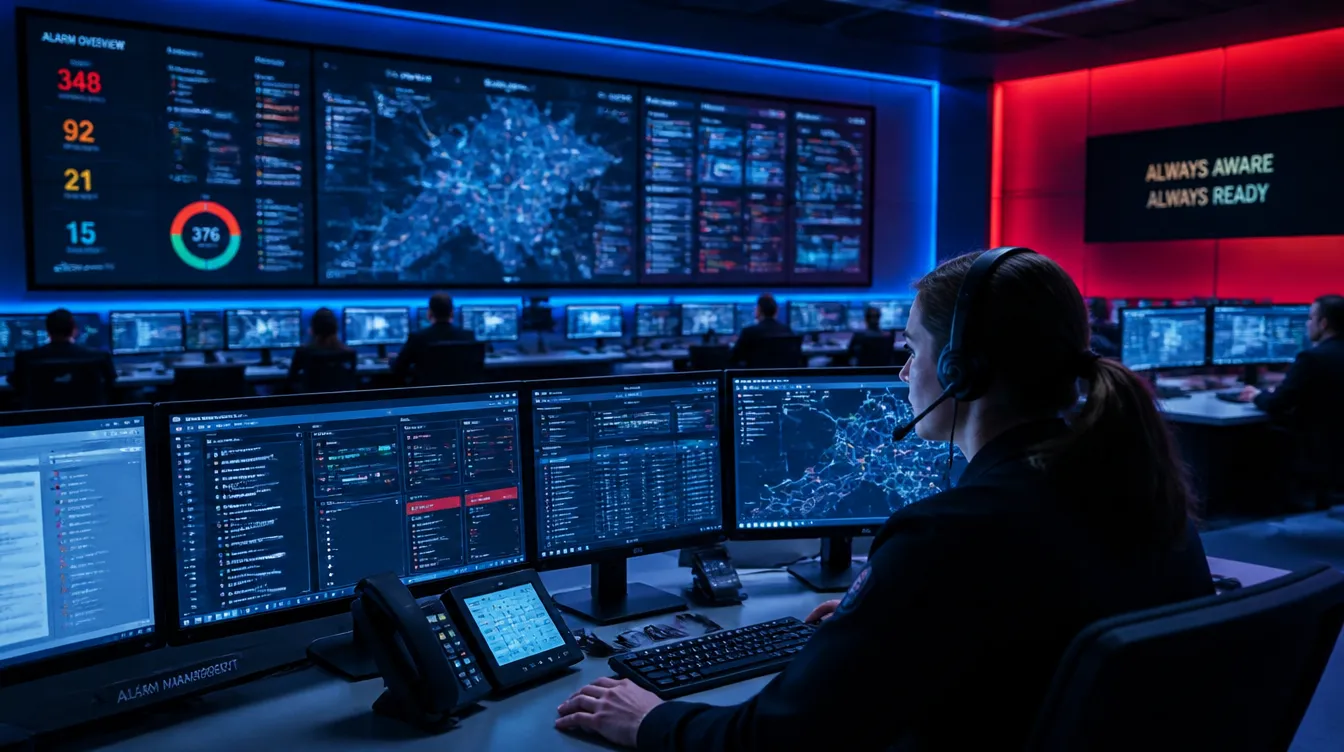
Emergency response services designed to manage critical alarm events, notify the appropriate contacts, and escalate situations according to each facility’s established response procedures.
Overview
Coordinated alarm escalation when critical events occur
When a critical alarm event occurs, facilities need a clear process for communication, notification, and escalation. Emergency response services help ensure that important alerts are not missed and that the appropriate contacts are informed according to the facility’s response plan.
LVS Technology provides emergency response services focused on managing and escalating alarm events. This service does not provide physical emergency response. Instead, it supports the communication and coordination process by receiving critical alerts, notifying designated contacts, and escalating events based on predefined procedures.
By organizing how alarm events are handled, facilities can reduce confusion, improve response coordination, and support faster decision-making during urgent situations.
What’s Included
A structured process for critical alarm management
Our emergency response services help facilities manage critical alarm events through clear notification and escalation procedures. The service is designed to support the communication process when alarms require attention, helping ensure that the right contacts are notified and that events are escalated according to the facility’s established response plan.
Procedure-Based Communication
Communication steps follow established procedures to help reduce confusion and support consistent handling of urgent alarm events.
Escalation Coordination
Events are escalated according to the facility’s contact hierarchy, response plan, and operational requirements.
Emergency Contact Notification
Designated contacts are notified when an urgent alarm event occurs, helping ensure that the appropriate people receive critical information quickly.
Critical Alarm Event Management
Critical alarm events are received, reviewed, and managed according to the facility’s predefined response procedures.
Key Benefits
Designed to support faster communication and escalation
Emergency response services help facilities manage urgent alarm events with a structured communication process. By defining contacts, escalation steps, and response expectations in advance, facilities can improve coordination and reduce delays when critical alerts require attention.
01Faster Critical Event Communication
Help ensure urgent alarm events are identified and communicated quickly, allowing designated contacts to receive timely information and take appropriate action without unnecessary delays, while also supporting better coordination and awareness during critical situations.
02Clear Emergency Contact Notification
Notify the right people according to the facility’s contact list, ensuring that each alert reaches the appropriate individuals quickly and accurately, helping reduce confusion and improve coordination during time-sensitive situations.
03Structured Escalation Process
Escalate critical events based on established response procedures, contact hierarchy, and facility-specific requirements, ensuring that each situation is handled in a timely and organized manner according to predefined priorities.
04Improved Response Coordination
Support better coordination during urgent situations by keeping communication steps organized, consistent, and aligned with the facility’s response plan, helping teams respond more efficiently and with greater clarity when time is critical.
Ideal Applications
Emergency alarm escalation for commercial and industrial facilities
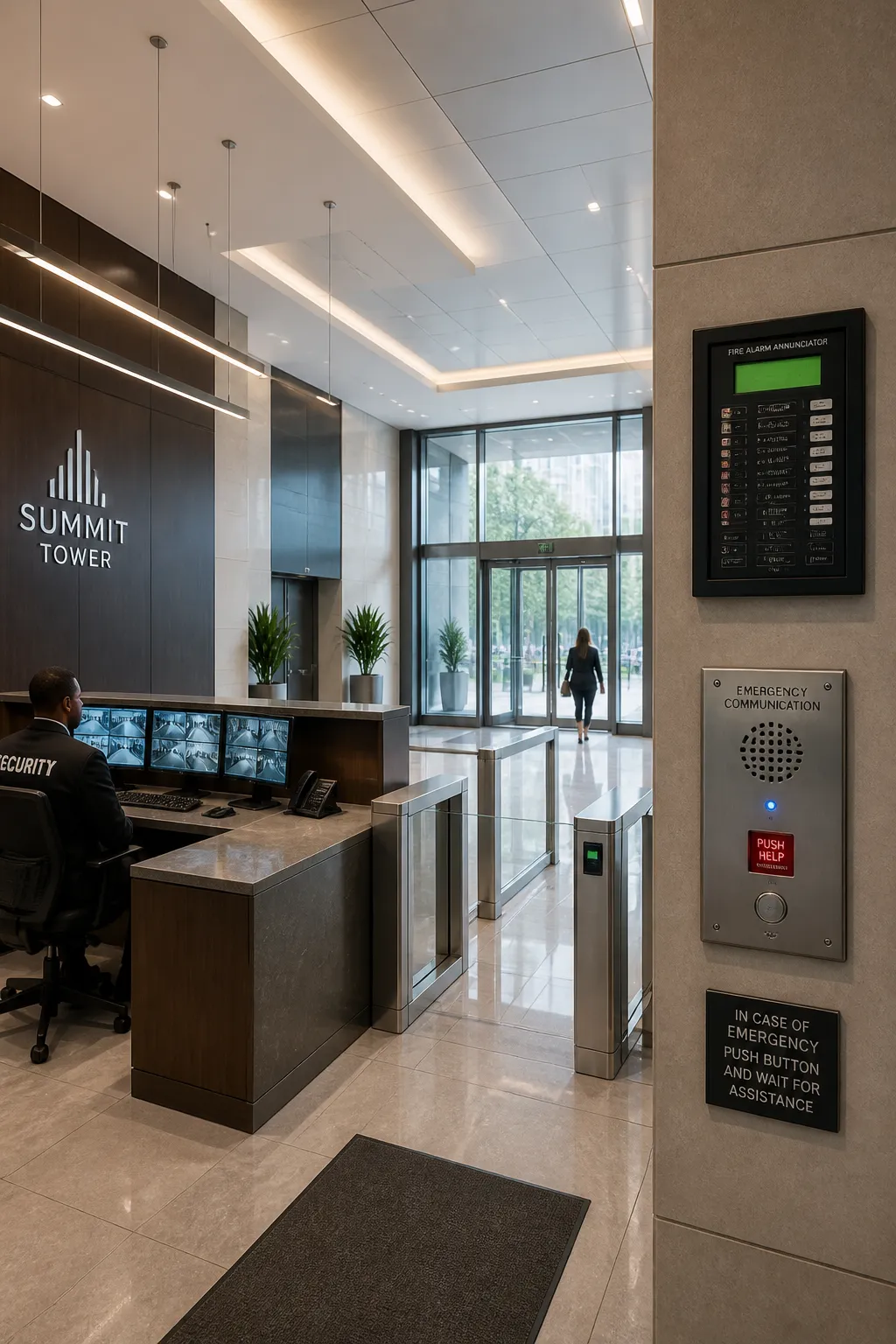
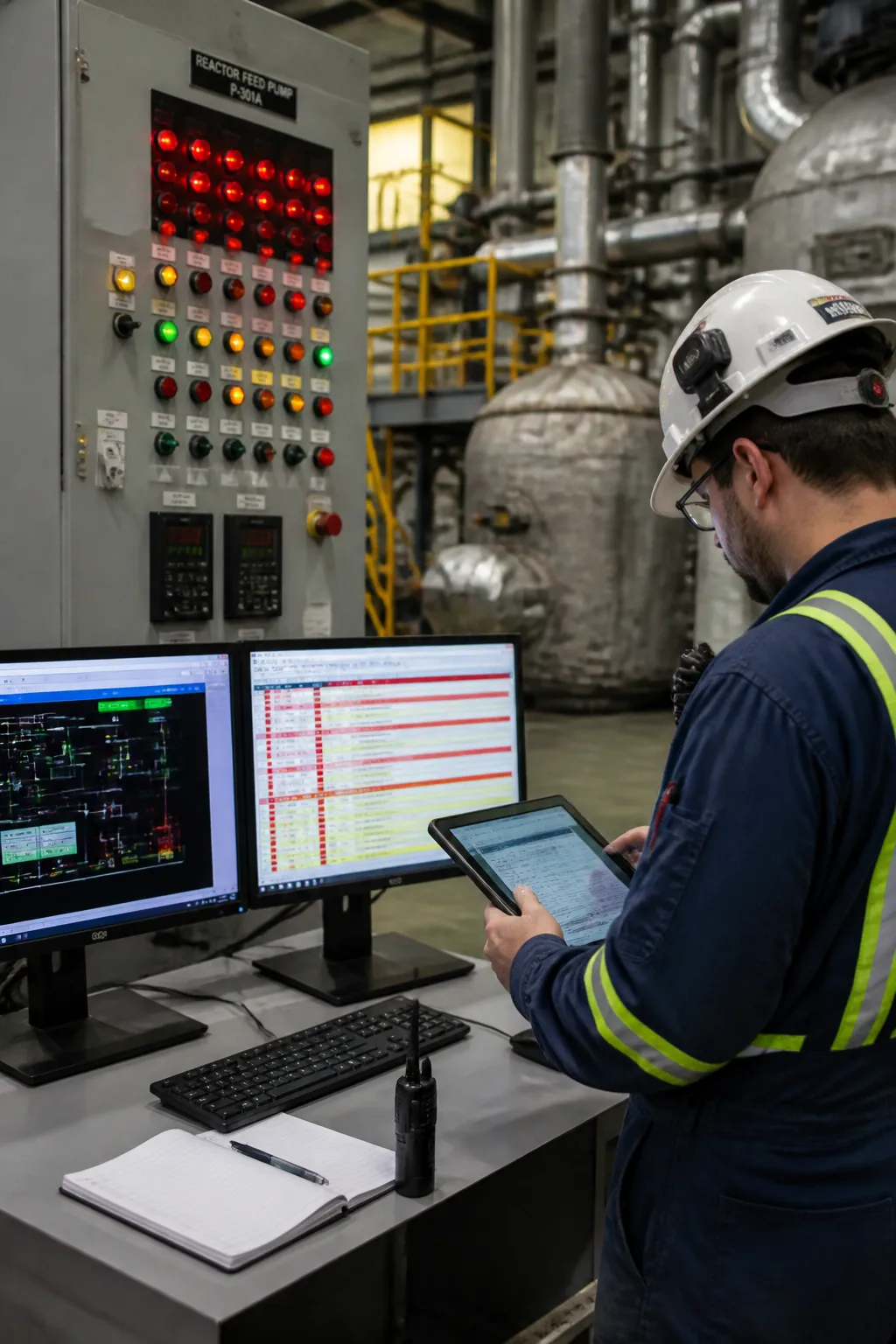
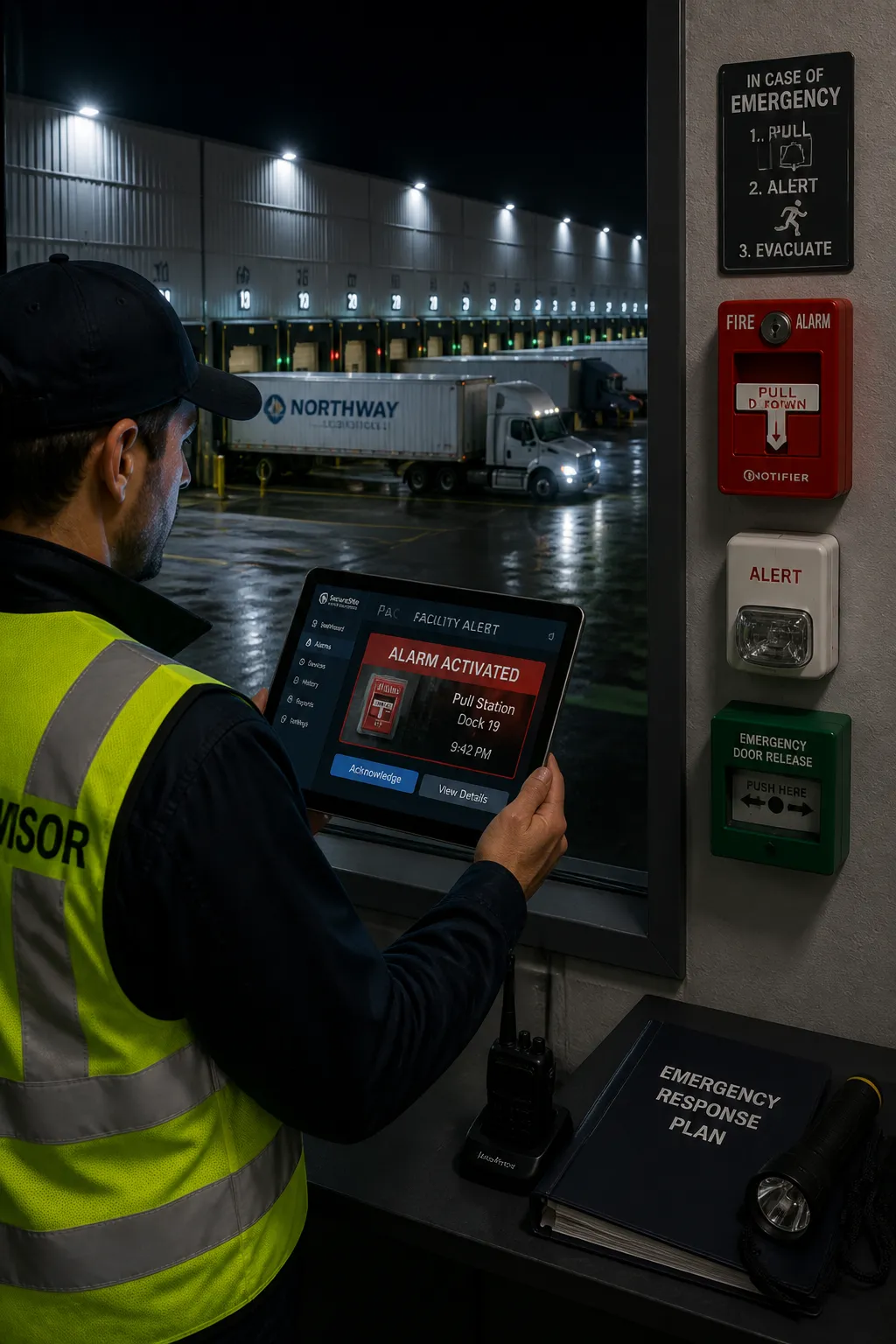
Emergency response services are designed for facilities that need a reliable process to manage and escalate critical alarm events. This service supports environments where urgent notifications, contact coordination, and structured communication are essential. By establishing clear procedures and defined escalation paths, organizations can improve response times, reduce uncertainty during emergencies, and ensure that the right people are informed at the right moment.

Safety and Code Compliance
Planned around contacts, priorities, and escalation rules
Each emergency response service setup should be planned around the facility’s alarm types, emergency contacts, priority levels, operating hours, escalation rules, and response expectations.
LVS Technology helps coordinate response procedures so critical alarm events can be received, communicated, and escalated according to the facility’s needs. Clear response procedures help reduce uncertainty, support faster communication, and improve consistency during urgent situations.
Process
How We Work
Planning
We assess your project requirements and define the right system strategy.
Design
We design compliant, efficient systems tailored to your facility.
Installation
We implement systems with precision, ensuring quality and reliability.
Testing
We test all systems to ensure proper functionality and performance.
Inspection
We verify compliance with codes, standards, and project specifications.
Maintenance
We provide ongoing support to ensure long-term system performance.
Example Applications
Where emergency response services can be applied
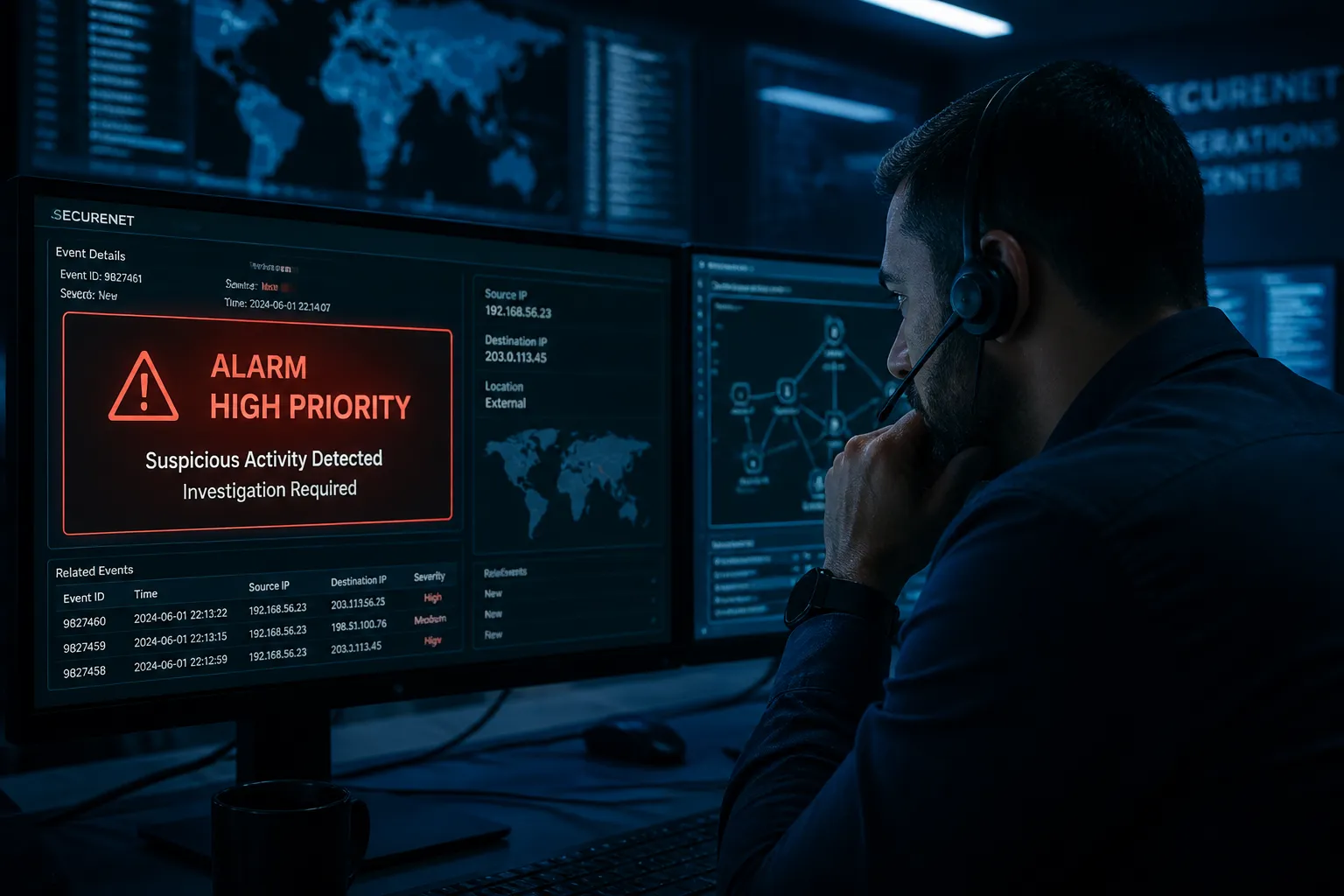
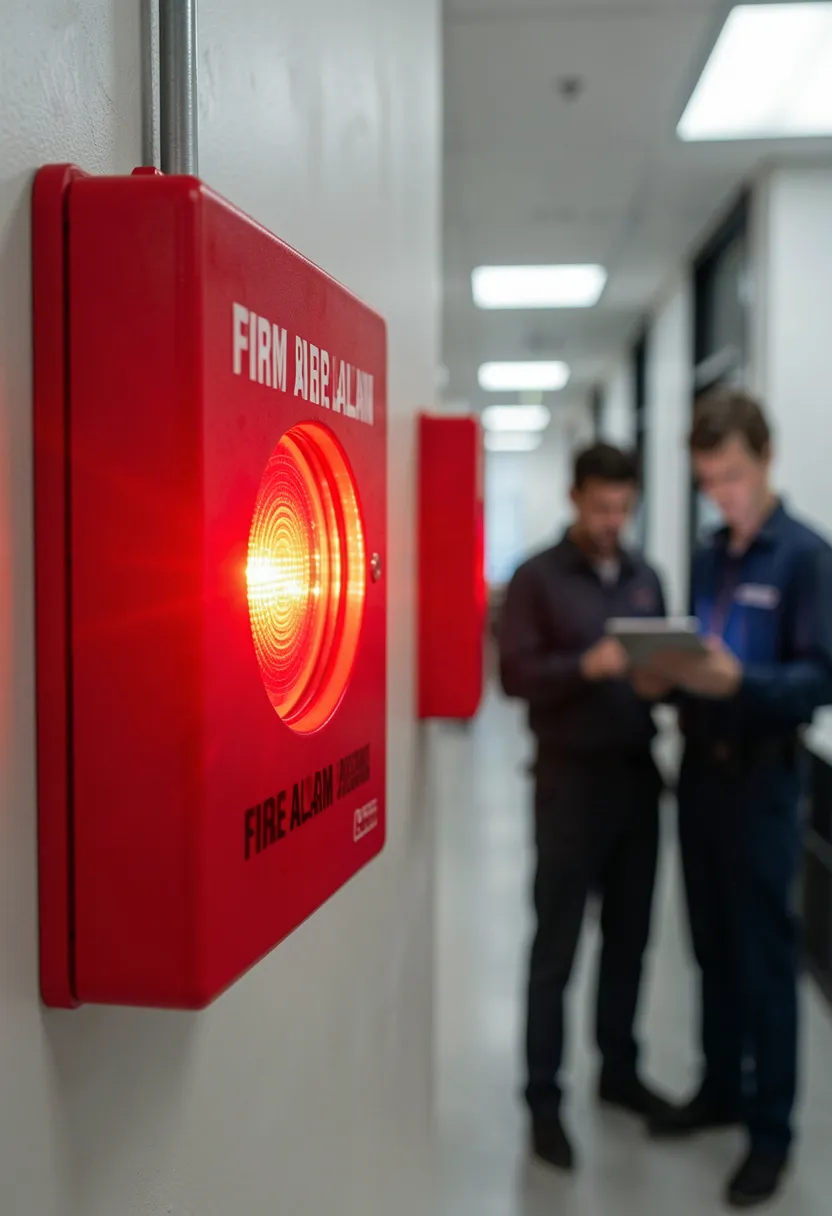
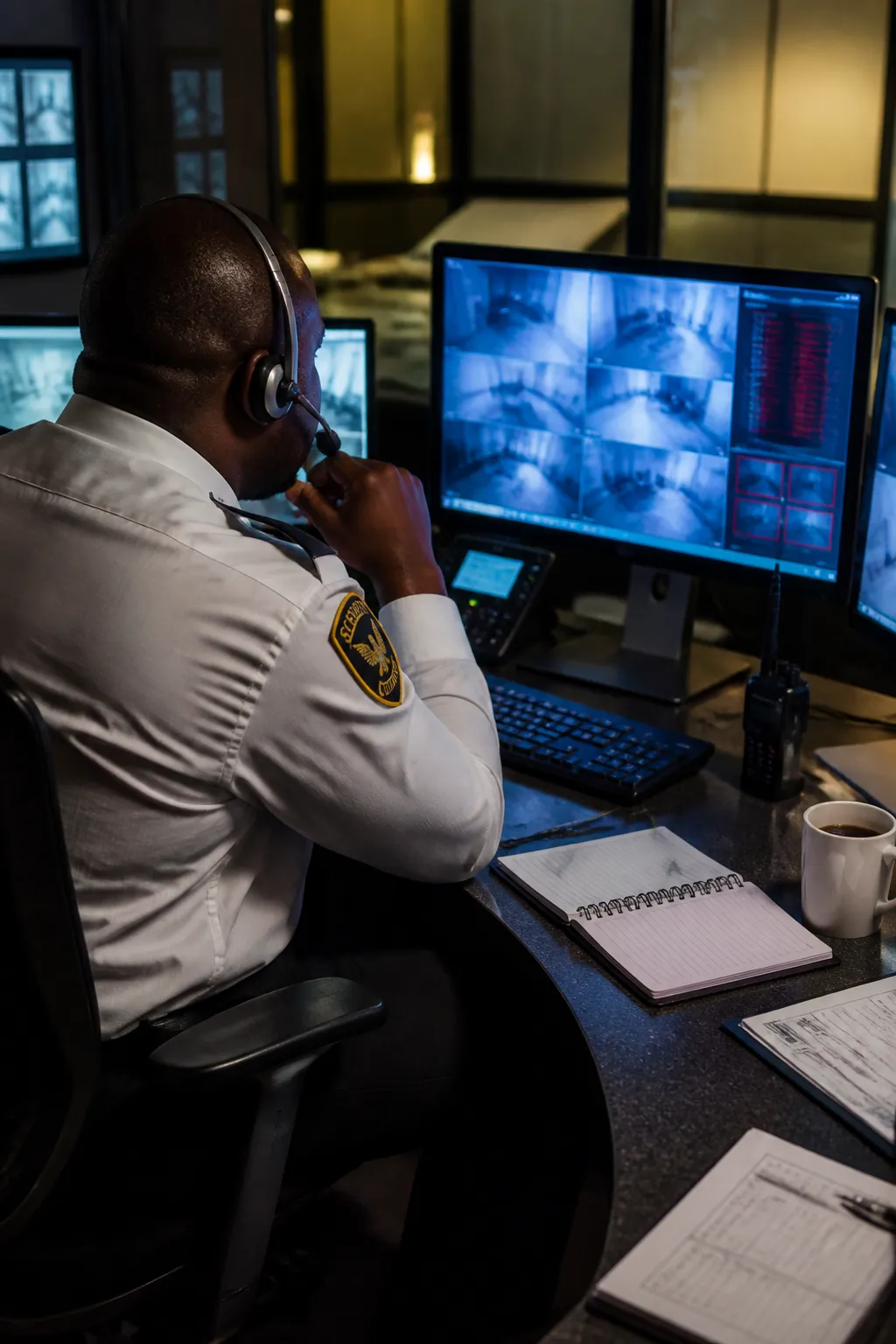
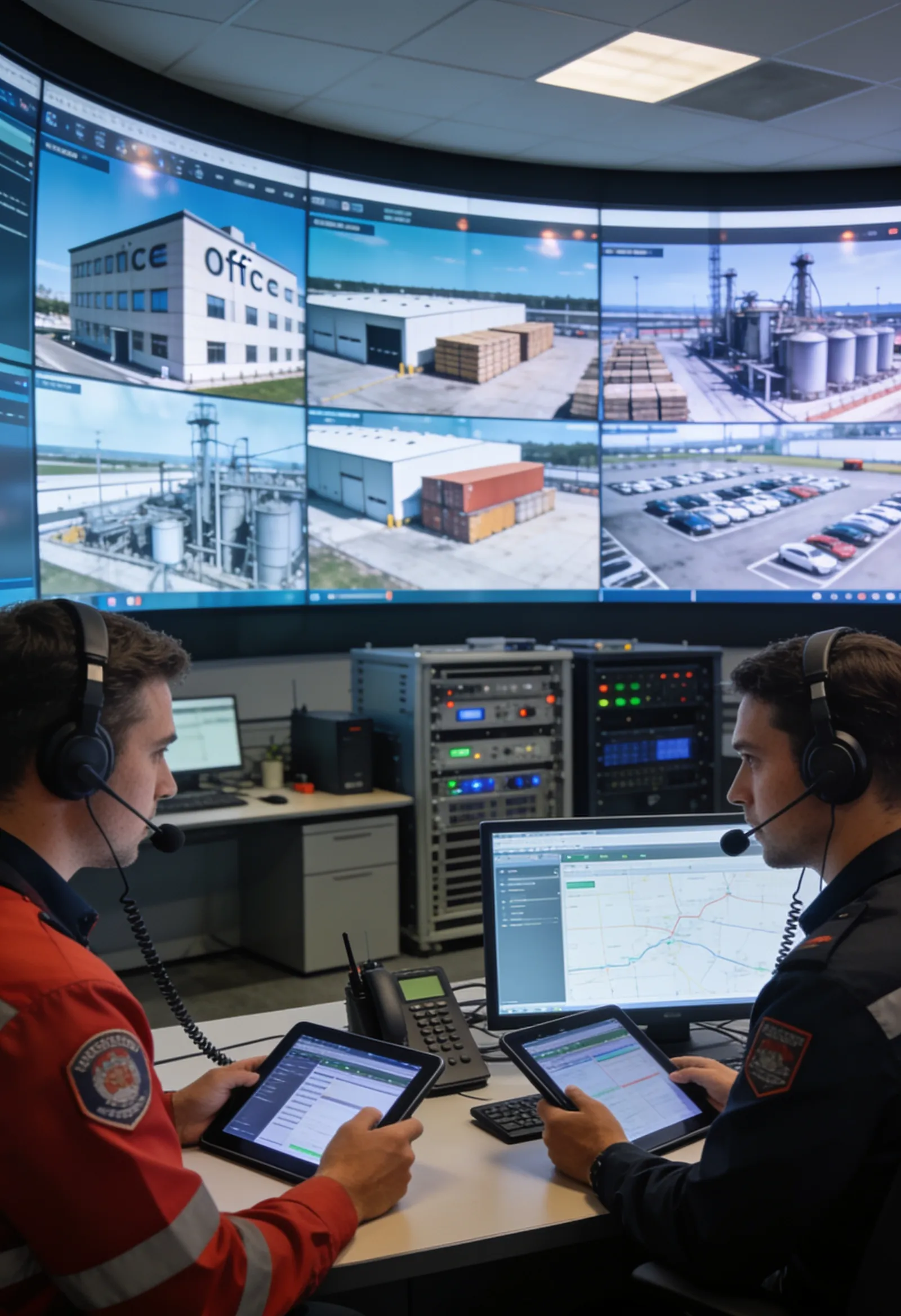
Emergency response services can support facilities where critical alarm events require timely notification, communication, and escalation according to predefined procedures.

Client Trust
Trusted by commercial and industrial clients
LVS Technology works with clients who depend on reliable low voltage, life safety, security, communications, and building integration systems. Each project is handled with a focus on technical precision, compliance, responsiveness, and long-term system performance.
Crescent Peak Commercial Center
Facilities Director
Our organization wanted an emergency response partner that understood the importance of protecting both people and operations. LVS Technology implemented a well-structured service that improved our response procedures and ensured that incidents are handled efficiently and professionally. Their team has been responsive, dependable, and committed to providing the level of support our facility requires. We highly value the peace of mind their services provide.
North Valley Industrial Complex
Health & Safety Manager
When an emergency occurs, response time and coordination are everything. LVS Technology provided an emergency response service that has strengthened our preparedness and given our team greater confidence in our ability to handle critical situations. Their professionalism, clear communication, and commitment to supporting our facility have made them a trusted partner in our overall safety strategy.

FAQ
Frequently Asked Questions
What types of systems does LVS Technology provide?
LVS Technology provides low-voltage, life safety, security, communications, data infrastructure, automation, and integrated building systems for commercial and industrial facilities. Our solutions include fire protection systems, intrusion detection, access control, video surveillance, structured cabling, optical fiber, DAS/BDA systems, audio/visual systems, building automation, and smart systems integration.
Does LVS Technology handle complete projects or only installations?
LVS Technology supports every phase of the project, from initial planning and system design to installation, testing, inspection, approval coordination, and ongoing maintenance. Our comprehensive approach ensures that each system is carefully planned, professionally installed, and fully aligned with the operational needs and requirements of the facility, helping to deliver reliable performance and long-term value.
Can LVS Technology integrate multiple systems into one platform?
Yes. We design integrated solutions that allow fire protection, security, communications, and automation systems to work together through centralized management platforms. These integrations enable real-time monitoring, streamlined control, and improved coordination between systems, helping enhance visibility, operational efficiency, and overall facility performance.
Do LVS Technology systems comply with applicable codes and standards?
Yes. All systems are designed, installed, tested, and maintained in accordance with applicable local, state, and national codes, as well as recognized industry standards and detailed project specifications. Our team stays up to date with regulatory requirements and best practices to ensure that every solution not only meets compliance obligations but also supports long-term safety, reliability, and performance.
How does LVS Technology ensure system reliability and long-term performance?
We focus on proper design, quality installation, comprehensive testing, and preventive maintenance to ensure dependable system performance throughout its lifecycle. Our approach emphasizes attention to detail at every stage, helping to minimize downtime, extend system longevity, and maintain consistent operational reliability over time.
Do you perform testing and inspections?
Yes. We provide comprehensive system testing, inspections, and verification services to confirm that all systems operate as intended, meet performance expectations, and fully comply with project requirements, applicable codes, and industry standards. Our process includes detailed documentation, functional testing of each component, and coordination with relevant authorities when required, ensuring that every system is properly validated before being placed into operation.
Does LVS Technology provide maintenance after installation?
Yes. We offer comprehensive maintenance and support services designed to ensure that systems continue operating safely, efficiently, and in full compliance with applicable requirements. Our services include routine inspections, preventive maintenance, system testing, troubleshooting, and timely repairs, all aimed at minimizing downtime and extending the lifespan of your systems.
Can LVS Technology upgrade or expand existing systems?
Absolutely. We can evaluate existing infrastructure in detail, including system performance, capacity, compliance status, and integration capabilities. Based on this assessment, we recommend upgrades, expansions, or integrations that enhance reliability, improve efficiency, and align with current operational needs. Our approach also considers scalability, ensuring that any improvements support future growth, evolving technologies, and long-term facility requirements.
Do you provide ongoing technical support?
Yes. Our team remains available to assist with troubleshooting, system evaluations, maintenance planning, and operational support after project completion. We work closely with clients to identify potential issues early, optimize system performance, and ensure long-term reliability. Our support services can include periodic inspections, system diagnostics, performance assessments, and recommendations for upgrades or improvements as your facility evolves.
How can I start a project with LVS Technology?
Simply contact our team to discuss your project requirements. You can reach us through our website, email, or phone to schedule an initial consultation. During this conversation, we will take the time to understand your facility, operational goals, and any specific challenges you may be facing. From there, we will evaluate your needs, provide guidance on potential solutions, and outline the next steps to move your project forward efficiently and effectively.
Can LVS Technology provide an estimate or consultation?
Yes. We can discuss your project goals in detail and provide guidance on potential solutions, system requirements, timelines, and key project considerations. Our team works closely with you to understand your operational needs, evaluate existing conditions if applicable, and recommend practical, scalable approaches that align with your objectives and budget.
What information should I have before contacting LVS Technology?
Having information about your facility, project scope, operational requirements, and any existing systems can help us better understand your needs and provide more accurate recommendations. Details such as project timelines, budget considerations, compliance requirements, and any specific challenges or goals you would like to address will also allow our team to provide more tailored guidance and efficient solutions from the start.