
Communications & Data Infrastructure
Optical Fiber Systems
High-speed optical fiber infrastructure designed to support long-distance transmission, high-bandwidth connectivity, and reliable data performance for commercial and industrial facilities.
Overview
High-speed connectivity for demanding environments
Optical fiber systems provide the speed, capacity, and reliability needed to support modern communication and data infrastructure. They are ideal for facilities that require high-bandwidth transmission, long-distance connectivity, network backbone performance, and dependable communication between critical spaces.
LVS Technology provides optical fiber solutions for commercial and industrial facilities that need reliable infrastructure, organized pathways, precise installation, and long-term network performance.
Each system is developed around the facility layout, transmission needs, equipment locations, distance requirements, and future connectivity goals.
What’s Included
Fiber infrastructure designed for speed, distance, and reliability
Each optical fiber project is planned according to the facility’s data requirements, network backbone needs, equipment locations, pathways, and future expansion goals. Special attention is given to bandwidth capacity, transmission distances, environmental conditions, and integration with existing network systems. The objective is to create a high-performance infrastructure that supports reliable communication across critical areas while providing scalability, efficiency, and long-term operational reliability.
Testing & Support
Fiber testing, certification support, inspection support, documentation, and maintenance to help verify reliable signal performance and network operation.
Professional Installation
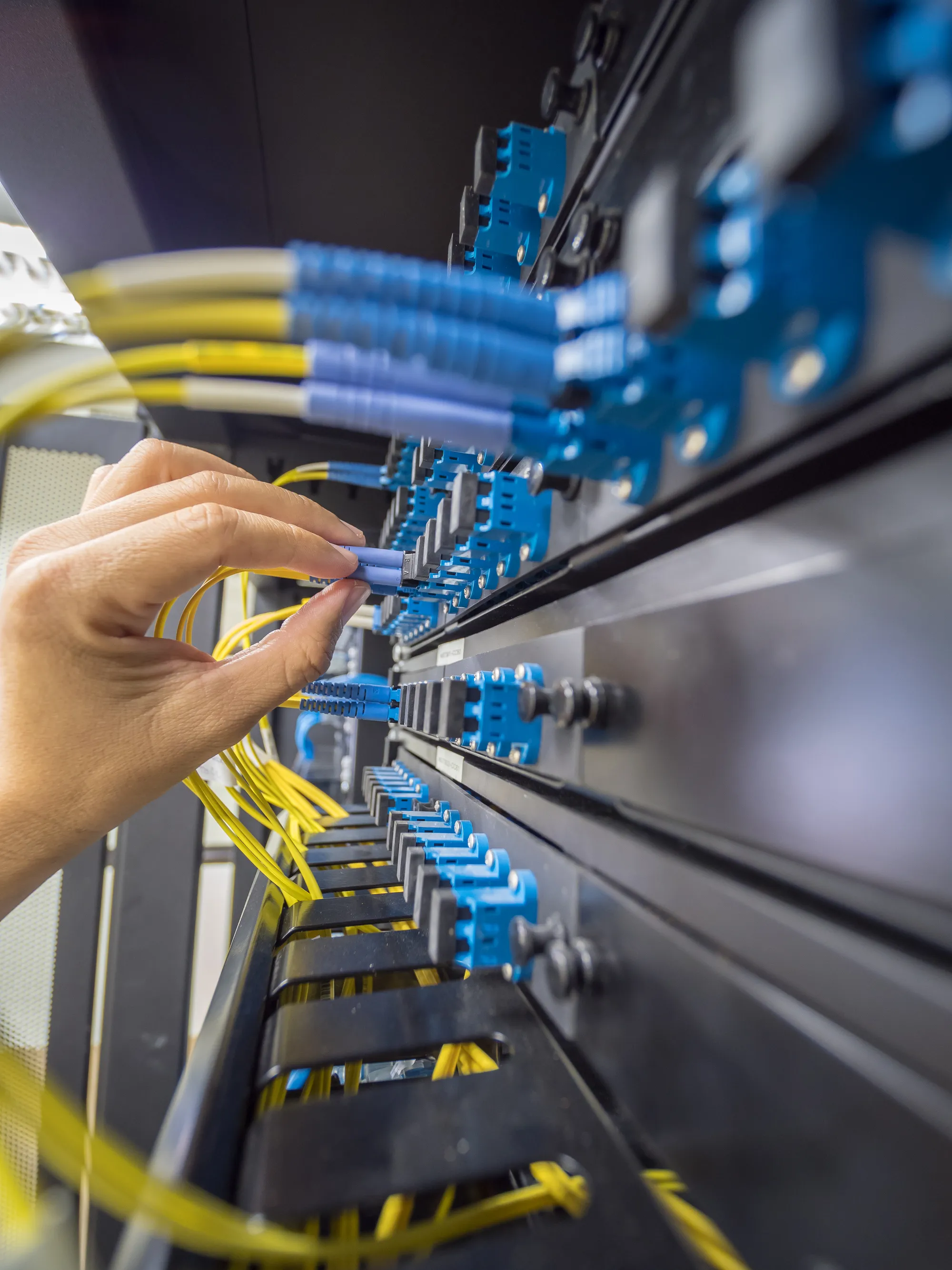
Installation of fiber optic cabling, termination hardware, patch panels, enclosures, pathway infrastructure, and related low voltage components with technical precision.
System Design
Fiber layouts planned with attention to backbone connectivity, pathway coordination, termination points, bandwidth needs, and long-term scalability.
System Planning
Evaluation of transmission needs, equipment locations, pathway conditions, distance requirements, and connectivity objectives to define a reliable fiber strategy.
Key Benefits
Designed for high-speed, high-capacity connectivity
A well-designed optical fiber system helps facilities improve data performance, support long-distance connections, and prepare infrastructure for future technology demands. Fiber provides a strong foundation for fast, reliable, and scalable communication networks.
01High-Bandwidth Performance
Supports fast data transmission for networks, communications, security systems, automation, and other connected technologies.
02Long-Distance Connectivity
Helps connect distant areas of a facility, multiple buildings, equipment rooms, and critical infrastructure with reliable signal performance.
03Scalable Network Growth
Can be planned to support current bandwidth needs while allowing future expansion, upgrades, and additional connected systems.
04Reliable Data Infrastructure
Supports dependable communication by reducing signal limitations and strengthening the facility’s network backbone.
Ideal Applications
Fiber connectivity for commercial and industrial infrastructure
Optical fiber systems are essential in facilities where high-speed data transmission, long-distance connectivity, network reliability, and scalable infrastructure are critical to daily operations. These systems provide superior bandwidth, low signal loss, and enhanced performance compared to traditional cabling solutions, making them ideal for supporting modern communication networks, data-intensive applications, and future technology expansions.



Safety and Code Compliance
Planned with fiber performance and installation standards in mind
Optical fiber systems must be planned and installed with attention to project requirements, pathway coordination, termination quality, testing, documentation, and long-term network performance. LVS Technology supports each project with an organized approach focused on reliable data transmission and practical infrastructure implementation.
Because fiber optic infrastructure often supports critical network backbones and connected systems, proper design, installation, testing, and maintenance are essential to help ensure dependable performance over time.
Process
How We Work
Planning
We assess your project requirements and define the right system strategy.
Design
We design compliant, efficient systems tailored to your facility.
Installation
We implement systems with precision, ensuring quality and reliability.
Testing
We test all systems to ensure proper functionality and performance.
Inspection
We verify compliance with codes, standards, and project specifications.
Maintenance
We provide ongoing support to ensure long-term system performance.
Example Applications
Where optical fiber systems can be applied
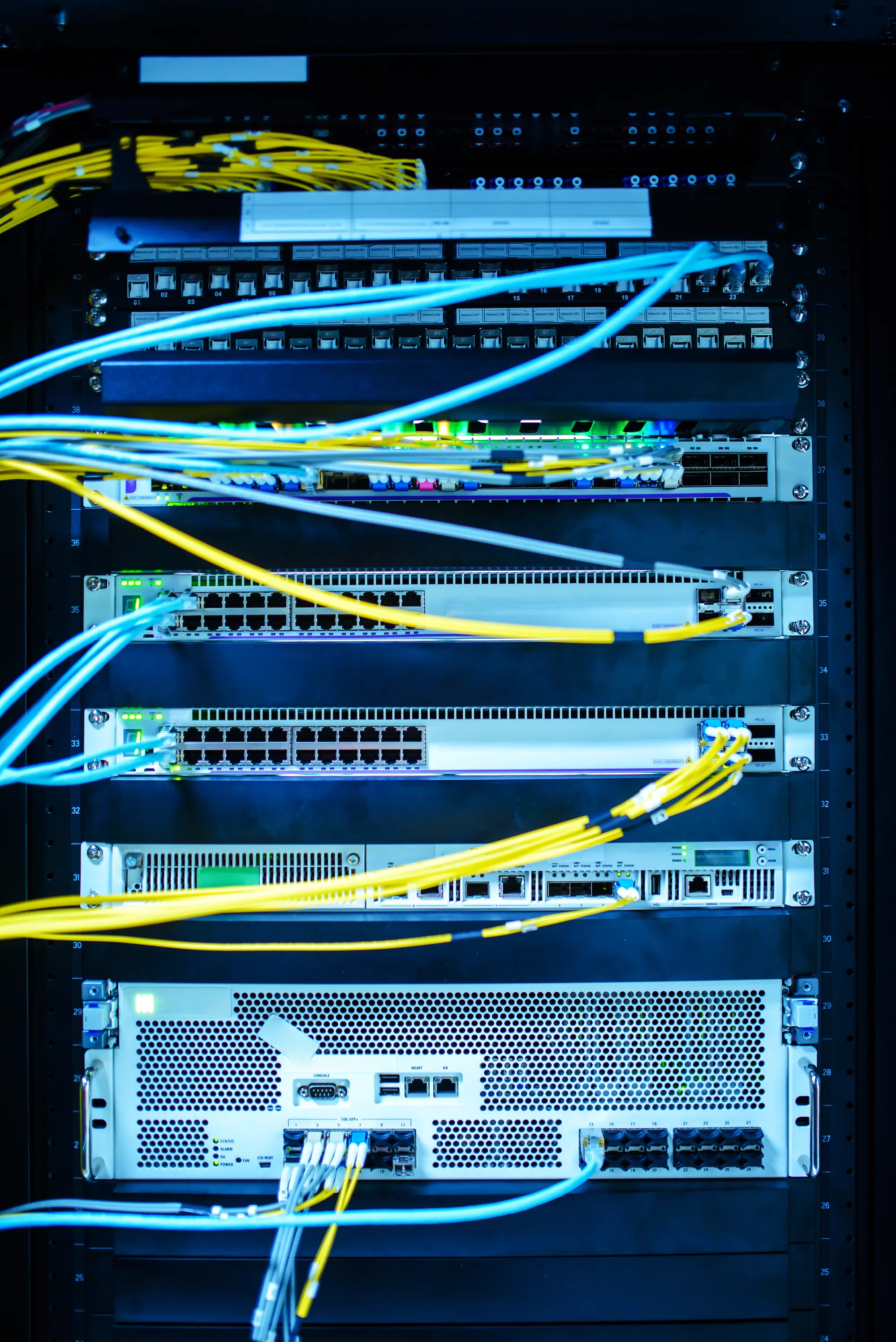
Optical fiber systems are used in telecommunications rooms, data centers, campus backbones, and building pathways to provide reliable, high-speed connectivity for data, voice, video, security, and wireless communications across commercial, educational, healthcare, and industrial facilities.

Client Trust
Trusted by commercial and industrial clients
LVS Technology works with clients who depend on reliable low voltage, life safety, security, communications, and building integration systems. Each project is handled with a focus on technical precision, compliance, responsiveness, and long-term system performance.
Canyon Ridge Industrial Park
Director of Information Technology
We were looking for a partner that could modernize our communications infrastructure while minimizing disruption to tenants and daily operations. LVS Technology exceeded our expectations by delivering a high-quality fiber optic installation on schedule and with exceptional attention to detail. Their professionalism, responsiveness, and commitment to doing the job right made the entire process smooth and efficient. We would confidently work with their team again on future infrastructure projects.
Mountain West Energy Services
Network Infrastructure Manager
Our operation relies heavily on fast and reliable communications between multiple facilities, so upgrading our fiber infrastructure was a critical project. LVS Technology provided a solution that was thoughtfully designed and professionally executed. Their team demonstrated excellent technical expertise, maintained clear communication throughout the project, and delivered an installation that has significantly improved the performance and reliability of our network."

FAQ
Frequently Asked Questions
What types of systems does LVS Technology provide?
LVS Technology provides low-voltage, life safety, security, communications, data infrastructure, automation, and integrated building systems for commercial and industrial facilities. Our solutions include fire protection systems, intrusion detection, access control, video surveillance, structured cabling, optical fiber, DAS/BDA systems, audio/visual systems, building automation, and smart systems integration.
Does LVS Technology handle complete projects or only installations?
LVS Technology supports every phase of the project, from initial planning and system design to installation, testing, inspection, approval coordination, and ongoing maintenance. Our comprehensive approach ensures that each system is carefully planned, professionally installed, and fully aligned with the operational needs and requirements of the facility, helping to deliver reliable performance and long-term value.
Can LVS Technology integrate multiple systems into one platform?
Yes. We design integrated solutions that allow fire protection, security, communications, and automation systems to work together through centralized management platforms. These integrations enable real-time monitoring, streamlined control, and improved coordination between systems, helping enhance visibility, operational efficiency, and overall facility performance.
Do LVS Technology systems comply with applicable codes and standards?
Yes. All systems are designed, installed, tested, and maintained in accordance with applicable local, state, and national codes, as well as recognized industry standards and detailed project specifications. Our team stays up to date with regulatory requirements and best practices to ensure that every solution not only meets compliance obligations but also supports long-term safety, reliability, and performance.
How does LVS Technology ensure system reliability and long-term performance?
We focus on proper design, quality installation, comprehensive testing, and preventive maintenance to ensure dependable system performance throughout its lifecycle. Our approach emphasizes attention to detail at every stage, helping to minimize downtime, extend system longevity, and maintain consistent operational reliability over time.
Do you perform testing and inspections?
Yes. We provide comprehensive system testing, inspections, and verification services to confirm that all systems operate as intended, meet performance expectations, and fully comply with project requirements, applicable codes, and industry standards. Our process includes detailed documentation, functional testing of each component, and coordination with relevant authorities when required, ensuring that every system is properly validated before being placed into operation.
Does LVS Technology provide maintenance after installation?
Yes. We offer comprehensive maintenance and support services designed to ensure that systems continue operating safely, efficiently, and in full compliance with applicable requirements. Our services include routine inspections, preventive maintenance, system testing, troubleshooting, and timely repairs, all aimed at minimizing downtime and extending the lifespan of your systems.
Can LVS Technology upgrade or expand existing systems?
Absolutely. We can evaluate existing infrastructure in detail, including system performance, capacity, compliance status, and integration capabilities. Based on this assessment, we recommend upgrades, expansions, or integrations that enhance reliability, improve efficiency, and align with current operational needs. Our approach also considers scalability, ensuring that any improvements support future growth, evolving technologies, and long-term facility requirements.
Do you provide ongoing technical support?
Yes. Our team remains available to assist with troubleshooting, system evaluations, maintenance planning, and operational support after project completion. We work closely with clients to identify potential issues early, optimize system performance, and ensure long-term reliability. Our support services can include periodic inspections, system diagnostics, performance assessments, and recommendations for upgrades or improvements as your facility evolves.
How can I start a project with LVS Technology?
Simply contact our team to discuss your project requirements. You can reach us through our website, email, or phone to schedule an initial consultation. During this conversation, we will take the time to understand your facility, operational goals, and any specific challenges you may be facing. From there, we will evaluate your needs, provide guidance on potential solutions, and outline the next steps to move your project forward efficiently and effectively.
Can LVS Technology provide an estimate or consultation?
Yes. We can discuss your project goals in detail and provide guidance on potential solutions, system requirements, timelines, and key project considerations. Our team works closely with you to understand your operational needs, evaluate existing conditions if applicable, and recommend practical, scalable approaches that align with your objectives and budget.
What information should I have before contacting LVS Technology?
Having information about your facility, project scope, operational requirements, and any existing systems can help us better understand your needs and provide more accurate recommendations. Details such as project timelines, budget considerations, compliance requirements, and any specific challenges or goals you would like to address will also allow our team to provide more tailored guidance and efficient solutions from the start.